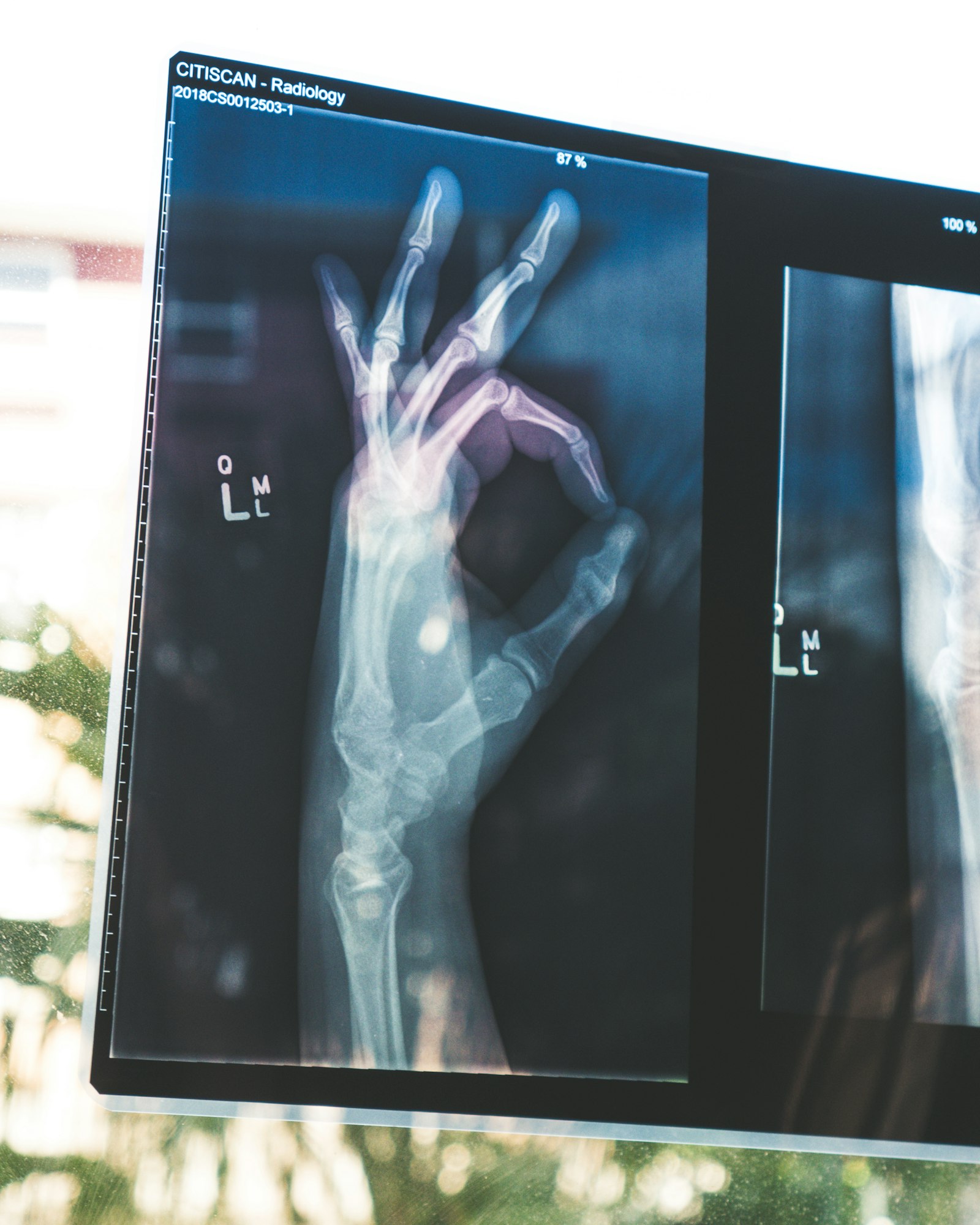
In joint replacement surgery, the mechanical challenge of bone resection and implant positioning is undergoing a parallel revolution. While soft-tissue robotics focuses on tele-manipulation and cavity access, orthopaedic robotics is becoming intensely software-defined and miniaturized.
1. Stryker Mako RPS: The Handheld Robotic Power System
Following its full commercial rollout on July 16, 2026, Stryker’s Mako RPS eliminates the need for massive robotic gantry arms in total knee arthroplasty. By integrating real-time optical tracking directly into a handheld oscillating saw with active blade adjustment, the system preserves the tactile workflow of experienced surgeons while enforcing plan boundaries with sub-millimeter precision.
2. VELYS Hip Navigation with AI Assistance
DePuy Synthes / J&J’s commercial launch of **VELYS Hip Navigation with AI Assistance** demonstrates the practical power of specialized deep learning. By automating the identification of anatomical pelvis landmarks on live fluoroscopy, the system achieves a **57% reduction in workflow landmarking time**, directly reducing patient radiation exposure and OR turnover time.
Verified Primary Sources & Citations
Every empirical claim, economic metric, and technical assertion in this publication is cross-referenced against primary research literature and regulatory records:
-
U.S. FDA Center for Devices and Radiological Health (CDRH) De Novo / 510(k) Database ↗
Regulatory clearance notices for J&J OTTAVA, Intuitive da Vinci 5, and AI navigation systems.
-
Johnson & Johnson MedTech Official Regulatory Announcement ↗
Clinical validation data on table-integrated zero-footprint robotic surgical architecture.
-
NVIDIA Clara & Holoscan Medical Edge AI Platform ↗
Technical specifications for sub-10ms intraoperative video telemetry and anatomical segmentation.
Discussion & Insights (0)
Join the discussion on Career Circle
Sign in or create a free account to post comments, ask questions, and engage with the author.