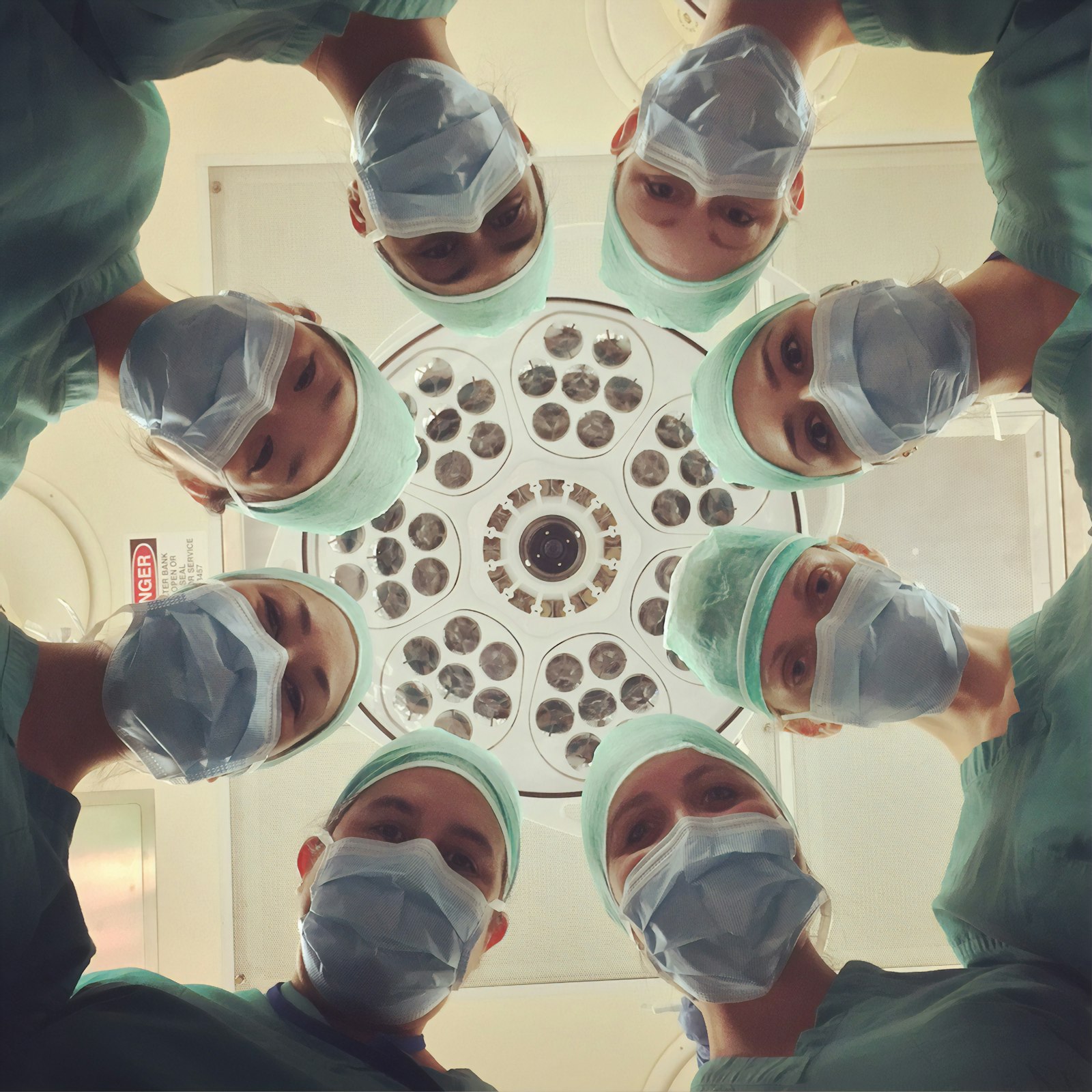
Until recently, artificial intelligence in surgery was confined to retrospective case reviews, post-operative video indexing, or pre-operative CT segmentation. On July 21, 2026, Medtronic crossed the intraoperative rubicon with the debut of Touch Surgery™ Aide—a live operating room computing engine built on NVIDIA Holoscan, CUDA, and TensorRT.
1. Instrument Exit Point (IEP): The First Live FDA Application
Touch Surgery Aide’s first FDA 510(k)-cleared application, Instrument Exit Point, addresses a common surgical safety hazard: instruments drifting beyond the active camera viewport during robotic tele-operation. The AI model tracks surgical shafts at 60 FPS and delivers real-time visual alerts if a dormant instrument is nudged or leaves the field of view, preventing unintended thermal or blunt trauma to adjacent bowel tissue.
NVIDIA Holoscan Edge Architecture
"By executing neural inference on NVIDIA IGX and Holoscan sensor-processing hardware directly within the surgical suite, Touch Surgery Aide achieves sub-10 millisecond glass-to-glass latency, ensuring that AI bounding boxes and anatomical safety zones are rendered synchronously with 4K endoscope feeds."
Verified Primary Sources & Citations
Every empirical claim, economic metric, and technical assertion in this publication is cross-referenced against primary research literature and regulatory records:
-
U.S. FDA Center for Devices and Radiological Health (CDRH) De Novo / 510(k) Database ↗
Regulatory clearance notices for J&J OTTAVA, Intuitive da Vinci 5, and AI navigation systems.
-
Johnson & Johnson MedTech Official Regulatory Announcement ↗
Clinical validation data on table-integrated zero-footprint robotic surgical architecture.
-
NVIDIA Clara & Holoscan Medical Edge AI Platform ↗
Technical specifications for sub-10ms intraoperative video telemetry and anatomical segmentation.
Discussion & Insights (0)
Join the discussion on Career Circle
Sign in or create a free account to post comments, ask questions, and engage with the author.