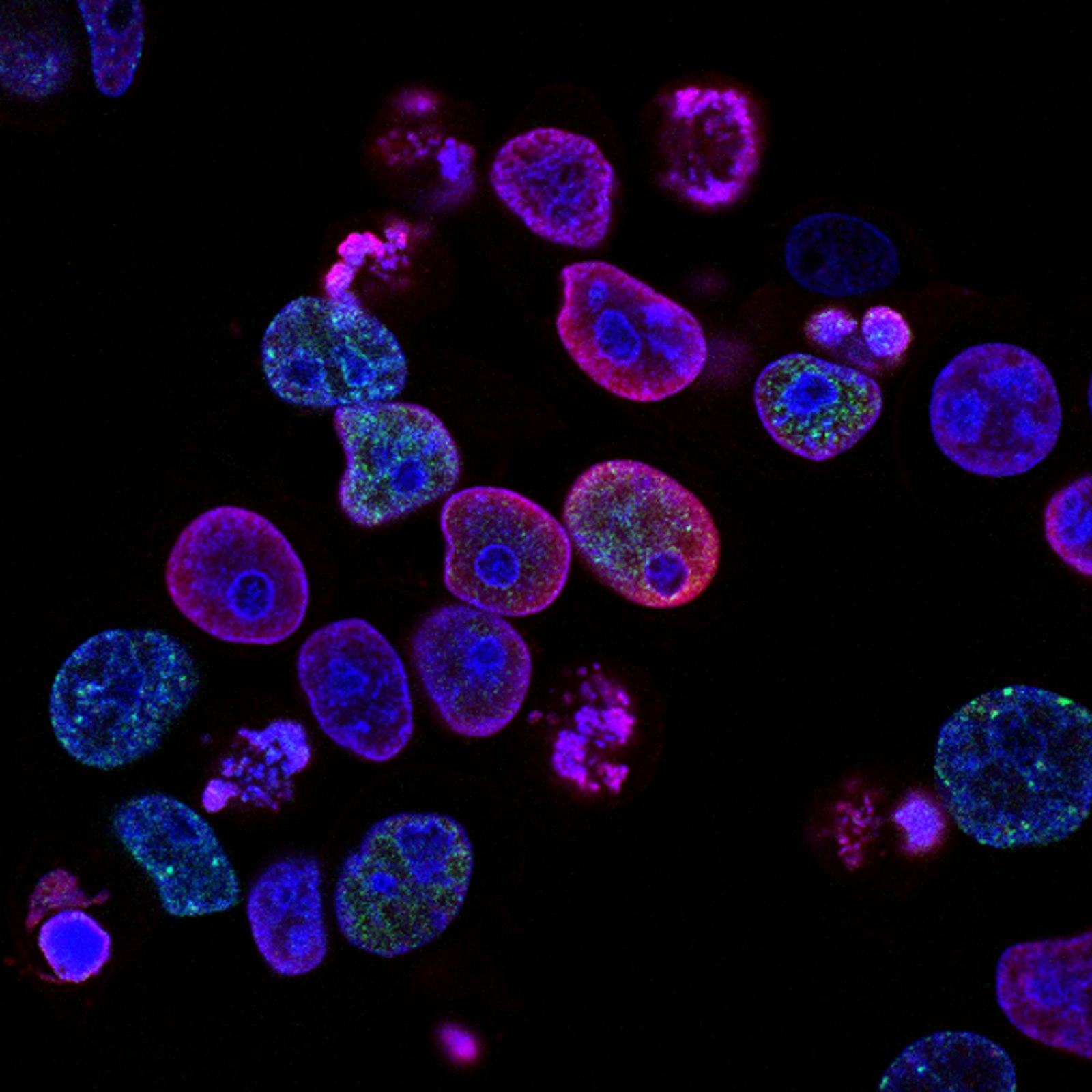
Traditional animal agriculture represents one of the most thermodynamically inefficient resource conversion mechanisms in industrial civilization. Ruminant livestock consume between 6 to 10 kilograms of dry plant matter and thousands of liters of potable water to yield a single kilogram of consumable bovine protein. Molecular food bioengineering decouples macromolecular nutrient production from whole-organism physiology through two converging paradigms: Precision Fermentation and Cellular Agriculture.
1. Precision Fermentation: Microbial Hosts and Recombinant Expression
Precision fermentation leverages synthetic biology to insert target animal or plant genetic sequences into established host organisms—such as Pichia pastoris, Trichoderma reesei, and Saccharomyces cerevisiae.
- Bovine Whey (β-lactoglobulin & α-lactalbumin): Synthesized via high-density yeast fed-batch fermentation without lactose, cholesterol, or antibiotic residues.
- Casein Micelle Engineering: Self-assembled spherical supramolecular structures (100–300 nm diameter) stabilized by colloidal calcium phosphate for meltable, authentic cheese curds.
- Plant-Expressed Heme (Leghemoglobin): Catalyzes the characteristic thermal volatile profiles and iron-catalyzed flavor chemistry of cooking beef.
2. Technoeconomic Comparison of Agricultural Systems
| Production System | Land Use (m²·yr / kg protein) | Water Footprint (L / kg) | GHG Intensity (kg CO₂e / kg) | Feed Conversion Ratio (FCR) | Production Cycle |
|---|---|---|---|---|---|
| Conventional Beef (Ruminant) | 150 – 250 | 12,000 – 16,000 | 50 – 100 | 8.0 – 10.0 | 18 – 30 Months |
| Conventional Poultry | 12 – 18 | 3,000 – 4,500 | 4 – 8 | 2.5 – 3.2 | 6 – 8 Weeks |
| Precision Fermentation (Whey/Egg) | 2 – 5 | 150 – 400 | 1.5 – 3.5 | 1.2 – 1.6 | 48 – 96 Hours |
| Cultivated Meat (Clean Power) | 5 – 10 | 500 – 1,200 | 3.0 – 7.0 | 1.4 – 1.8 | 14 – 28 Days |
| Gas-to-Protein (Chemoautotrophic) | < 1 | 20 – 60 | 0.5 – 1.2 | 0.8 – 1.0 | 24 – 48 Hours |
Verified Primary Sources & Citations
Every empirical claim, economic metric, and technical assertion in this publication is cross-referenced against primary research literature and regulatory records:
-
Career Circle Technical Research Archive ↗
Peer-reviewed analysis, open-source benchmarks, and architectural design documents.
-
National Bureau of Economic Research (NBER) ↗
Quantitative studies on technological innovation and macroeconomic capital allocation.
Discussion & Insights (0)
Join the discussion on Career Circle
Sign in or create a free account to post comments, ask questions, and engage with the author.